MOTOSHARE 🚗🏍️
Turning Idle Vehicles into Shared Rides & Earnings

From Idle to Income. From Parked to Purpose.
Earn by Sharing, Ride by Renting.
Where Owners Earn, Riders Move.
Owners Earn. Riders Move. Motoshare Connects.

With Motoshare, every parked vehicle finds a purpose. Owners earn. Renters ride.
🚀 Everyone wins.

Start Your Journey with Motoshare

How to use various types of comments

In Visual Studio Code (VS Code), you can use various types of comments that are applicable across different programming languages. Here are some common types of comments:

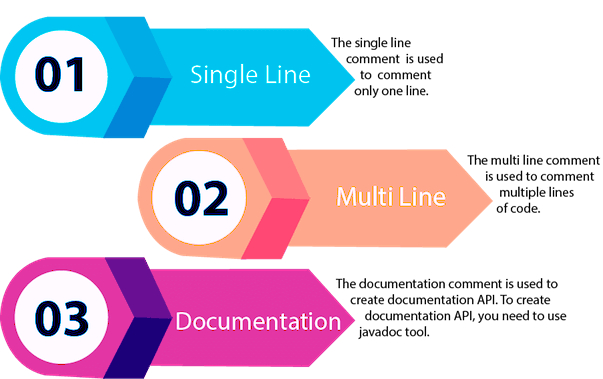
Single-Line Comments:

1. Double Forward Slash (//):

// This is a single-line comment in JavaScript

2. Hash (#):

This is a single-line comment in Python

3. Semicolon (;):

<!-- This is a single-line comment in HTML -->

Multi-Line Comments:

1. Slash Asterisk (/ /):

/*
 * This is a multi-line comment in CSS
 * It can span multiple lines
 */

2. Triple Double Quotes (”’ ”’):

”’
This is a multi-line comment in Python
It can span multiple lines
”’

Documentation Comments:

1. JSDoc (JavaScript):

/**
 * This is a JSDoc comment in JavaScript
 * @param {string} name - The name to greet
 * @returns {string} - The greeting
 */
function greet(name) {
    return `Hello, ${name}!`;
}

2. JavaDoc (Java):

/**
 * This is a JavaDoc comment in Java
 * @param name The name to greet
 * @return The greeting
 */
public String greet(String name) {
    return "Hello, " + name + "!";
}

Task Comments:

1. TODO:

# TODO: Implement error handling

2. FIXME:

// FIXME: Update this logic for edge cases

3. HACK:

// HACK: Temporary workaround, improve later

These comments serve different purposes, from providing explanations and documentation to marking tasks for future attention. Utilize them based on your needs and coding conventions. VS Code will recognize and highlight different comment styles in various languages, making it easier for you to navigate and understand your code.


Related Posts

ServiceNow Developer Course: Scripting Skills for Custom Apps

Introduction: Problem, Context & Outcome Organizations today face increasing pressure to streamline IT service management and automate workflows efficiently. Manual processes are slow, prone to errors, and…

Selenium Training: Complete Web Automation Testing Roadmap

Introduction: Problem, Context & Outcome Automated testing has become essential for modern software development. Manual testing alone is often slow, error-prone, and difficult to scale in agile…

Mastering in Scala with Spark: Complete Learning Roadmap

Introduction: Problem, Context & Outcome In today’s data-driven world, handling massive datasets efficiently is a key challenge for engineers. Traditional programming languages often struggle with performance and…

Master in PHP with Laravel: Complete Learning Roadmap

Introduction: Problem, Context & Outcome Developers often face challenges building scalable, maintainable web applications that meet modern business demands. Many struggle with outdated practices, slow development cycles,…

Master New Relic Training for DevOps Monitoring

Introduction: Problem, Context & Outcome In modern software delivery, application downtime and performance bottlenecks can have costly consequences for businesses. Developers and DevOps teams often struggle to…

Master Microservices in 2026 for DevOps Engineers

Introduction: Problem, Context & Outcome Modern engineering teams face increasing difficulty when scaling large, monolithic applications while still meeting expectations for speed, reliability, and continuous delivery. As…

0 0 votes
Article Rating
Subscribe
Notify of
guest
1 Comment
Oldest
Newest Most Voted
Inline Feedbacks
View all comments
trackback

[…] How to use various types of comments […]

1
0
Would love your thoughts, please comment.x
()
x