MOTOSHARE 🚗🏍️
Turning Idle Vehicles into Shared Rides & Earnings

From Idle to Income. From Parked to Purpose.
Earn by Sharing, Ride by Renting.
Where Owners Earn, Riders Move.
Owners Earn. Riders Move. Motoshare Connects.

With Motoshare, every parked vehicle finds a purpose. Owners earn. Renters ride.
🚀 Everyone wins.

Start Your Journey with Motoshare

Creating Your First Project and Running “Hello World” on the Emulator

Create a New Flutter Project

To create a new Flutter project, run the following command in the terminal.

flutter create hello_world_app
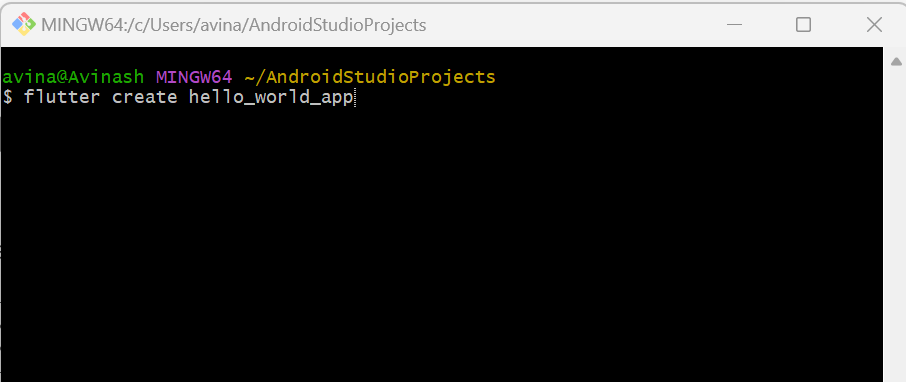
This command creates a new directory named “hello_world_app” with the necessary files and folder structure for a Flutter project.

Depending on your chosen IDE (Android Studio or Visual Studio Code), open the “hello_world_app” directory as a Flutter project. Ensure that you have an emulator set up, Open your emulator.
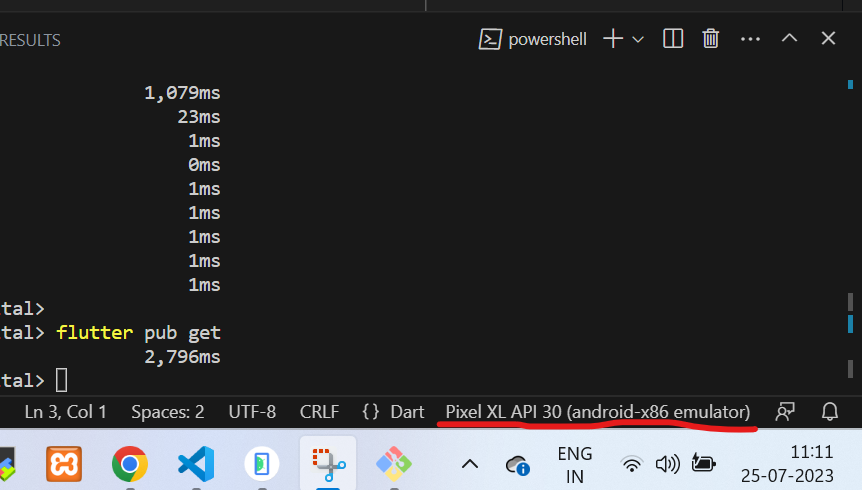
In your IDE, click on the “Run” button (usually a green triangle) to run the app.

flutter run
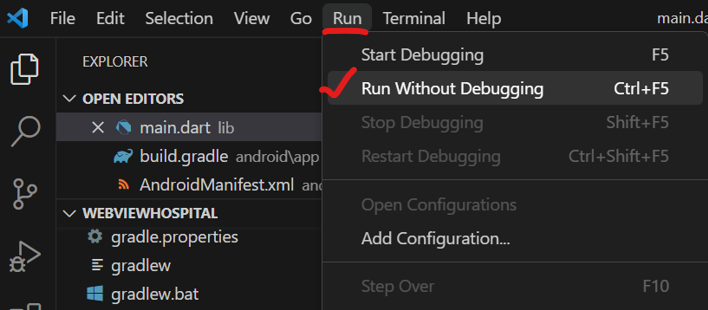
This will launch the app on the emulator or connected device, and you’ll see the “Hello World” message on the screen.

Open the main.dart file located inside the lib folder of your project. You will see the following code:

import 'package:flutter/material.dart';

void main() {
  runApp(MyApp());
}

class MyApp extends StatelessWidget {
  @override
  Widget build(BuildContext context) {
    return MaterialApp(
      home: Scaffold(
        appBar: AppBar(
          title: Text('Hello World'),
        ),
        body: Center(
          child: Text('Hello World!'),
        ),
      ),
    );
  }
}

The main function is the entry point of the Flutter app, and it calls runApp() to start the application. The MyApp class is a StatelessWidget, which means its UI cannot change after it’s built.

The MaterialApp widget sets up the basic material design for the app, and the Scaffold widget provides a basic structure for the app, including an AppBar and a body.

The Text widget inside the Center widget displays the “Hello World!” message on the screen.

Now that you have successfully run your first Flutter app

Related Posts

Why You Need HashiCorp Terraform Training for Your Career

Terraform lets teams build and change cloud setups safely using code files. The HashiCorp Terraform training & certification program gives 15 hours of hands-on to master IaC basics for…

How to Become a Google Cloud Professional DevOps Engineer

Google Cloud grows fast as a top cloud choice, but mastering its DevOps needs real skills. The Google Cloud Professional Engineer training gives 50-60 hours of hands-on to build…

Start Your Journey with GitOps Essential Training Today

GitOps makes putting apps on Kubernetes simple and safe by using Git as the main guide. The GitOps Essential Training shows you how to set up auto deploys with…

Your Guide to Earning the FinOps Foundation Certification

Cloud spending can grow fast without good control, but smart management keeps costs in check. The FinOps Foundation Certification teaches simple ways to track, cut waste, and plan budgets…

Your Guide to ISTIO and Envoy Certification Training Success

Service meshes like Istio make handling traffic between apps easy and safe. The ISTIO Envoy Certification Training teaches you to control routing, security, and monitoring without changing your code.​…

Docker Certified Associate: Your Complete Guide to Success

Containers change how teams build and run apps smoothly across any setup. The Docker Certified Associate certification gives you the skills to handle Docker like a pro, fixing the…

0 0 votes
Article Rating
Subscribe
Notify of
guest
0 Comments
Oldest
Newest Most Voted
Inline Feedbacks
View all comments
0
Would love your thoughts, please comment.x
()
x