MOTOSHARE 🚗🏍️
Turning Idle Vehicles into Shared Rides & Earnings

From Idle to Income. From Parked to Purpose.
Earn by Sharing, Ride by Renting.
Where Owners Earn, Riders Move.
Owners Earn. Riders Move. Motoshare Connects.

With Motoshare, every parked vehicle finds a purpose. Owners earn. Renters ride.
🚀 Everyone wins.

Start Your Journey with Motoshare

Creating Your First Project and Running “Hello World” on the Emulator

Create a New Flutter Project

To create a new Flutter project, run the following command in the terminal.

flutter create hello_world_app
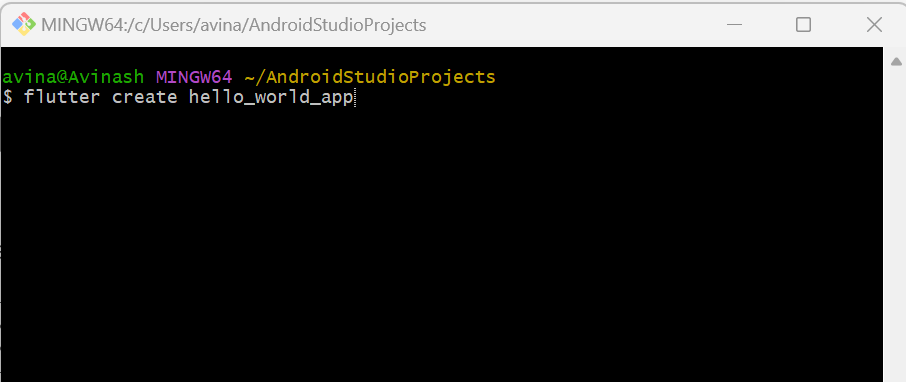
This command creates a new directory named “hello_world_app” with the necessary files and folder structure for a Flutter project.

Depending on your chosen IDE (Android Studio or Visual Studio Code), open the “hello_world_app” directory as a Flutter project. Ensure that you have an emulator set up, Open your emulator.
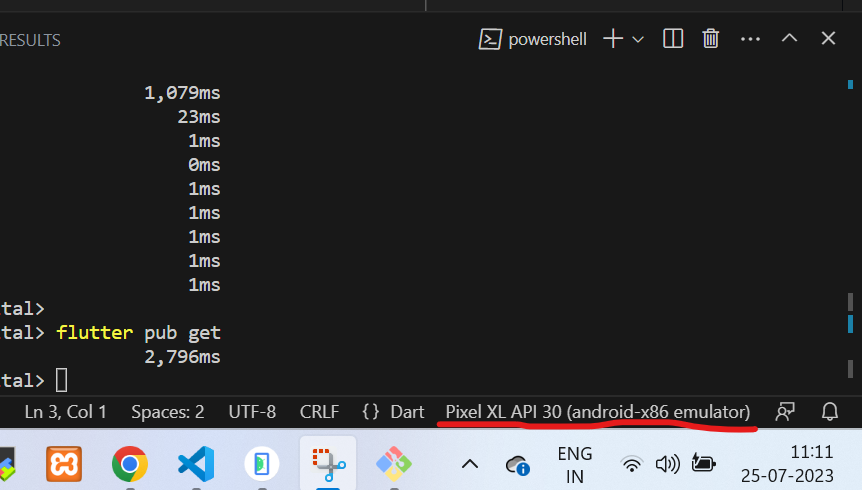
In your IDE, click on the “Run” button (usually a green triangle) to run the app.

flutter run
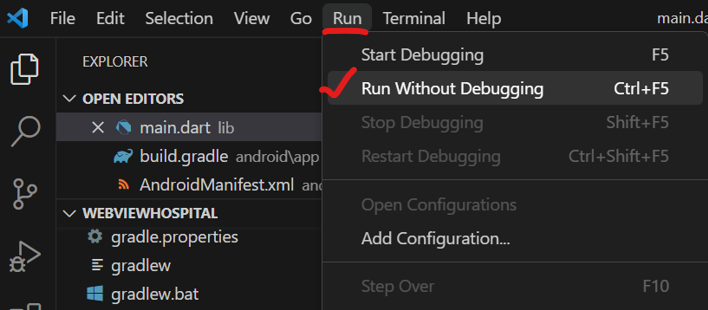
This will launch the app on the emulator or connected device, and you’ll see the “Hello World” message on the screen.

Open the main.dart file located inside the lib folder of your project. You will see the following code:

import 'package:flutter/material.dart';

void main() {
  runApp(MyApp());
}

class MyApp extends StatelessWidget {
  @override
  Widget build(BuildContext context) {
    return MaterialApp(
      home: Scaffold(
        appBar: AppBar(
          title: Text('Hello World'),
        ),
        body: Center(
          child: Text('Hello World!'),
        ),
      ),
    );
  }
}

The main function is the entry point of the Flutter app, and it calls runApp() to start the application. The MyApp class is a StatelessWidget, which means its UI cannot change after it’s built.

The MaterialApp widget sets up the basic material design for the app, and the Scaffold widget provides a basic structure for the app, including an AppBar and a body.

The Text widget inside the Center widget displays the “Hello World!” message on the screen.

Now that you have successfully run your first Flutter app

Related Posts

Your Guide to Becoming a Certified DevOps Professional

The Certified DevOps Professional certification proves you can handle tough DevOps jobs like full CI/CD setups and cloud scaling. It tests skills in continuous integration, delivery, monitoring, automation, and…

Your Guide to Becoming a Certified DevOps Manager

The Certified DevOps Manager certification helps leaders guide teams through DevOps changes. It covers planning strategies, managing people, tracking progress, and making things better over time. This 3-hour exam-only…

Your Guide to Becoming a Certified DevOps Engineer

The Certified DevOps Engineer certification validates hands-on skills in building CI/CD pipelines, automating infrastructure, and managing cloud deployments. It focuses on tools like Jenkins, Docker, Kubernetes, Ansible, and Git…

Your Complete Guide to Obtaining Certified DevOps Architect Certification

The Certified DevOps Architect certification prepares you to design large-scale DevOps solutions across clouds like AWS, Azure, and GCP. It focuses on infrastructure as code, microservices, and secure deployments…

Your Guide to the Certified Argo Project Associate Exam

The Certified Argo Project Associate (CAPA) Certification Training Course helps you learn key tools for Kubernetes workflows like Argo CD, Workflows, Events, and Rollouts. It teaches how to automate…

Your Complete Guide to CCNA Certification Training Online

The CCNA Certification Training opens doors to exciting IT networking careers by teaching key skills for Cisco networks. It covers everything from basic setups to modern automation, helping beginners…

0 0 votes
Article Rating
Subscribe
Notify of
guest
0 Comments
Oldest
Newest Most Voted
Inline Feedbacks
View all comments
0
Would love your thoughts, please comment.x
()
x