
MOTOSHARE 🚗🏍️
Turning Idle Vehicles into Shared Rides & Earnings

From Idle to Income. From Parked to Purpose.
Earn by Sharing, Ride by Renting.
Where Owners Earn, Riders Move.
Owners Earn. Riders Move. Motoshare Connects.

With Motoshare, every parked vehicle finds a purpose. Owners earn. Renters ride.
🚀 Everyone wins.

Start Your Journey with Motoshare

Online URL analyzer Tool

A URL analyzer is a tool that examines a URL and provides insights into its structure, components, and potential issues. It helps identify broken links, redirects, duplicate content, and other technical SEO problems that may affect a website’s search engine ranking. Using a URL analyzer can help optimize website performance and improve user experience.

What is Function and feature of URL analyzer tool

A URL analyzer tool is designed to check URL into its various parameters. It helps identify technical SEO issues such as broken links, redirects, duplicate content, and missing metadata. The tool can also provide information on website performance and security. Its primary function is to optimize website structure, enhance user experience, and improve search engine ranking.
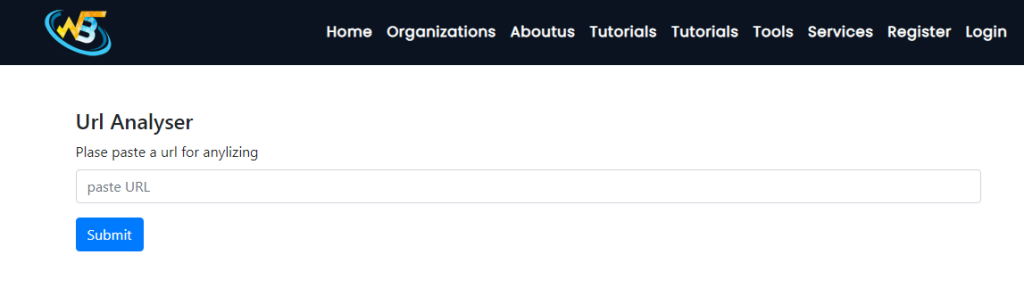
To use a URL analyzer tool, the user first navigates to the tool’s website and enters the URL of the website they wish to analyze. They then click the submit button, and the tool breaks down the URL into its various components and provides information on technical SEO issues such as broken links, redirects, and duplicate content. The user can then use this information to optimize their website’s structure and improve its search engine ranking.

result:
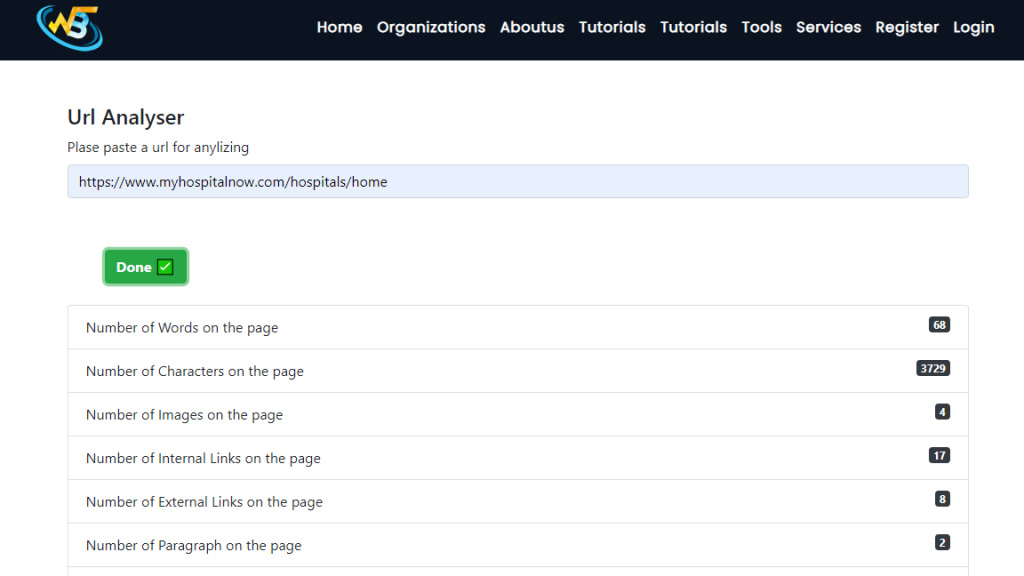
How Wizbrand‘s URL analyzer tool would help?

Wizbrand’s URL analyzer tool is a useful resource for website owners and digital marketers. It provides in-depth analysis of a website’s URL structure and helps identify technical SEO issues that may impact website performance and search engine rankings.

These are useful links

Related Posts

Become SRE Foundation Certified for Modern DevOps Teams

Introduction: Problem, Context & Outcome Modern software systems operate in complex, fast-changing environments built on cloud platforms, microservices, containers, and CI/CD pipelines. Engineering teams deliver features faster…

Become an SRE Certified Professional for Modern DevOps

Introduction: Problem, Context & Outcome Modern software systems run continuously across cloud platforms, microservices, and distributed infrastructures. Engineering teams frequently struggle with outages, slow incident response, alert…

Become a Site Reliability Engineer for Modern DevOps

Introduction: Problem, Context & Outcome Modern digital services must remain available at all times, yet many engineering teams struggle with outages, performance degradation, and slow recovery during…

Become a Selenium with Java Automation Tester

Introduction: Problem, Context & Outcome Software engineering teams release features frequently, but many still struggle to maintain application quality at speed. Manual testing slows delivery cycles, introduces…

Become a Red Hat OpenShift Administration Specialist

Introduction: Problem, Context & Outcome Modern engineering teams deploy applications faster than ever, but many struggle to manage container platforms reliably at scale. Kubernetes environments grow complex…

Become an Ansible Expert for Enterprise Infrastructure

Introduction: Problem, Context & Outcome Modern IT teams face constant challenges managing infrastructure consistency, deployment speed, and operational reliability. Manual configurations, shell scripts, and environment-specific setups often…

0 0 votes
Article Rating
Subscribe
Notify of
guest
0 Comments
Oldest
Newest Most Voted
Inline Feedbacks
View all comments
0
Would love your thoughts, please comment.x
()
x